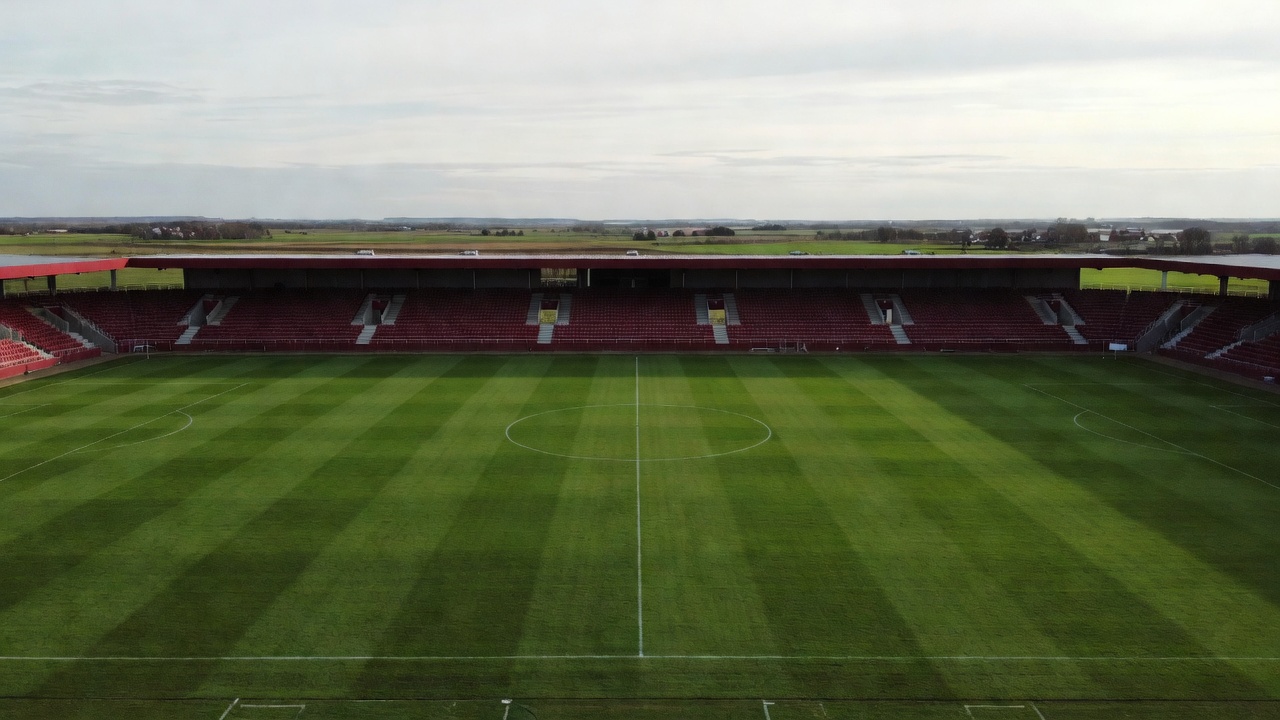
Why Midtjylland stand out
FC Midtjylland were formed through the union of established local clubs and developed into a major Danish competitor. Their European story is tied to an organisational reputation for deliberate recruitment, player development and close attention to set pieces. Those ideas are not unique to one club, but Midtjylland provide a particularly clear Scandinavian example of using them together.
The appeal is practical. A Danish side is unlikely to match leading European clubs across every position. It can, however, focus resources on moments where preparation narrows the gap. Dead-ball situations, aerial duels, pressing triggers and transition routes are all areas in which collective detail can challenge more expensive individual talent.
Set pieces without mythology
Set pieces are often discussed as though they offer effortless goals. They do not. Good delivery, movement, blocking within the laws and second-ball positioning require repetition. Opponents also prepare. Midtjylland’s broader lesson is that restarts deserve the same analytical attention as open play because they are structured attacking opportunities.
In European qualifiers, this focus has particular value. Ties can remain level for long periods, and chances from open play may be scarce. A corner or wide free-kick can change the entire tactical problem. Yet loading the penalty area introduces danger if the clearance starts a counter-attack. Players outside the box need positions that support both another attack and immediate defence.
Directness, pressure and second balls
Midtjylland can play through midfield, but direct passing has often been an important option. A forward pass may target a striker, the channel or the space behind a defensive line. The next action is crucial. If supporting players are too far away, the pass simply surrenders possession. If they arrive together, the team can contest the second ball and attack before the opposition reorganises.
Pressing follows similar logic. Running towards defenders is not enough. The first player directs the pass, nearby team-mates close predictable options and defenders move up to compress the pitch. European opponents with strong technicians can escape if one part of that chain is late. Midtjylland must decide when to press aggressively and when to protect space.
Recruitment and development
The club’s recruitment approach is associated with using information alongside conventional observation. Data can identify patterns, but it cannot remove context. A player’s role, league style and team strength affect what the numbers mean. Final decisions still need to consider character, tactical fit, physical adaptation and the development pathway available.
Midtjylland also benefit when younger players have a credible route into senior football. Development can create sporting value and potential transfer income. The tension is timing: a team filled with potential may lack the experience needed for a hostile away qualifier, while an older squad may offer less future value.
Champions League and Europa League demands
Champions League matches punish loose possession and disjointed pressure. Midtjylland’s physical play can disrupt opponents, but technical precision is needed once the ball is won. Otherwise defensive work produces no relief. The Europa League may offer a broader range of competitive match-ups, including opponents who concede territory and ask Midtjylland to construct attacks patiently.
That change can be awkward. A system designed to exploit space cannot rely on space being offered. Midtjylland need creators between the lines, overlapping width and enough circulation to move a compact defence. Their strongest European identity therefore combines prepared direct play with the ability to solve slower matches.
What to watch
- Restart movement: follow the runners rather than only watching the ball.
- Second-ball structure: note where midfielders stand around a direct pass.
- Pressing triggers: a backwards pass or difficult first touch may prompt collective pressure.
- Possession patience: see how the side responds when an opponent refuses an open contest.
Midtjylland belong in this selection because they make resourcefulness visible. Their methods work best when preparation supports adaptable football, not when one favoured advantage is treated as a complete answer.