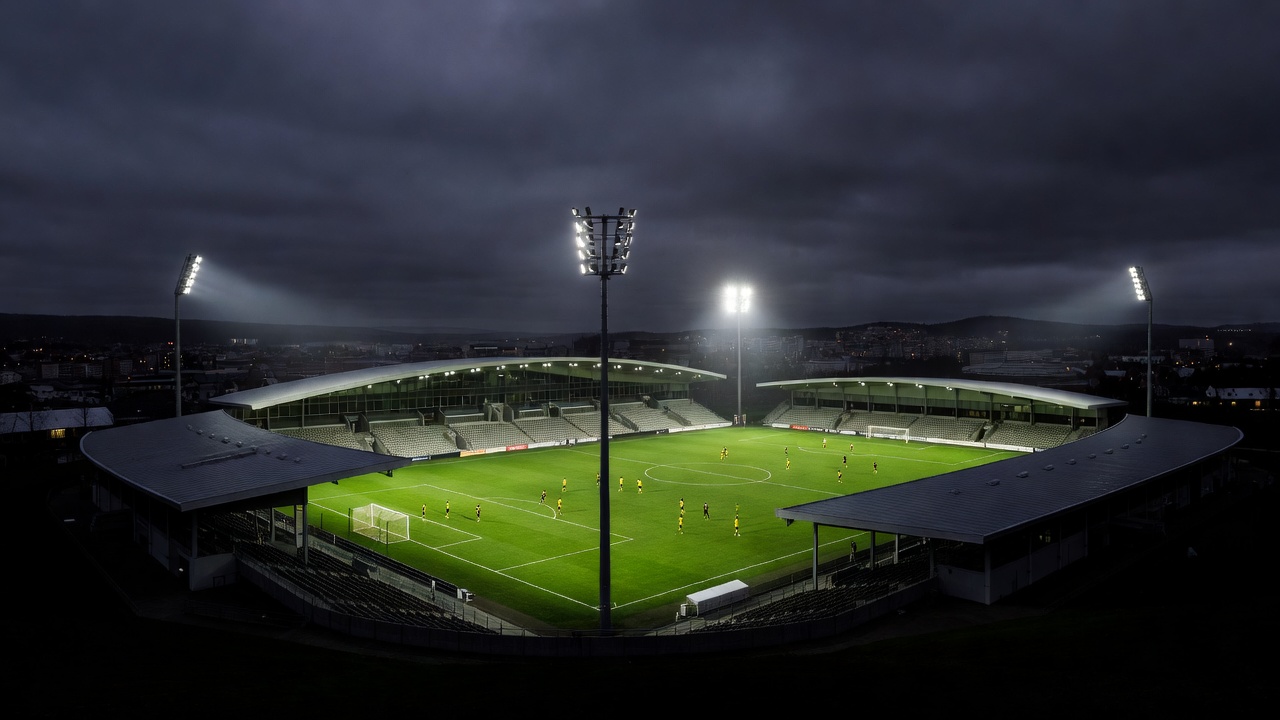
A defining Norwegian story
Rosenborg BK’s extended run of domestic success and Champions League participation made the Trondheim club one of Europe’s most familiar Scandinavian representatives. That period cannot simply be reproduced: qualification access, football economics and the competitive landscape all change. Even so, the principles behind Rosenborg’s prominence remain useful for understanding how a northern club can establish a European identity.
Continuity mattered. A recognisable style reduced the need to reinvent the team for every opponent, while repeated qualification gave players experience against faster decision-making and more punishing movement. European exposure became part of the club’s ordinary football culture rather than an isolated adventure.
Width, movement and shared understanding
Rosenborg became closely associated with an attacking system based on width, coordinated runs and clearly understood roles. Wide forwards could stretch the back line, full-backs offered support and midfielders moved into spaces created by those actions. The point was not the formation written on a team sheet. It was the timing between players.
That clarity is particularly valuable for a club that cannot recruit the finished players available to wealthier teams. A coherent structure can help a good player make quicker decisions. The ball moves before the defender resets, and runners know where the next space should appear.
There is an obvious European risk. Committing players wide and forward can expose the channels beside central defenders. Opponents with quick transitions may bypass the first press and force long recovery runs. Rosenborg’s strongest European versions therefore needed both attacking conviction and disciplined protection behind the attack.
The value and burden of tradition
A celebrated style gives a club direction, but it can also become a constraint. Supporters naturally recognise patterns associated with successful periods. Coaches still need room to respond to different players and different levels of opposition. Copying an earlier shape without the same technical relationships creates appearance rather than substance.
European competition intensifies this tension. A bold home approach can unsettle visitors, particularly when weather, travel and crowd pressure contribute to an unfamiliar setting. Away from Trondheim, greater caution may be sensible. The challenge is to defend more deeply without losing every route to goal.
Recruitment in a changing market
Rosenborg have historically drawn heavily from Norwegian and wider Scandinavian football. Familiarity with climate, playing surfaces and league rhythms can make integration easier. European success, however, quickly raises the visibility of effective players. The club must replace departures while preserving combinations that depend on collective understanding.
Recruiting only for immediate physical readiness may weaken technical ambition. Recruiting only for future value may leave the team without enough composure in decisive qualifiers. A balanced squad needs players at different stages, plus leaders who can transmit tactical expectations without turning the group rigid.
European competition fit
Champions League opponents can force Rosenborg into longer defensive phases than their preferred identity suggests. Their route into such matches depends on coordinated pressing, efficient set pieces and making home spells count. Europa League football may allow more proactive possession, but the range of opposing styles remains broad.
Qualification ties also test emotional control. A strong opening period does not require frantic risk, and conceding away does not make the tie unrecoverable. Teams accustomed to domestic superiority must learn that European patience is an active skill rather than passivity.
What to watch
- Wide triangles: look for the relationship between full-back, midfielder and winger.
- Opposite-side runs: effective width matters most when another player attacks the far side.
- Protection after crosses: note who is positioned to stop a counter-attack.
- Identity under pressure: see whether Rosenborg can keep useful passing options when pushed deep.
Rosenborg belong in this selection because they demonstrate the power of continuity. Their history also carries a warning: a successful identity must remain adaptable if it is to survive changing opponents, squads and European structures.